Column · @reidtvne260
How Are Peptides Examined? Hplc, Coa & Pureness Described 2026
·Filed by @reidtvne260
How much does peptide HPLC testing price?
The expense of peptide evaluation service varies substantially based on which techniques your regulatory bundle needs: HPLC-UV Evaluation: $& #x 24; 300 & #x 2013; & #x 24; 800 per sample (typical pureness evaluation) LC-MS (Fluid Chromatography-Mass Spectrometry): $& #x 24; 600 & #x 2013; & #x 24; 1,500 per example (molecular weight confirmation).
What Different Characterization Methods Enhance Hplc?
Inside the column are tiny bits that quickly "order onto" various substances in the example. Our latest effective study was an essential bioequivalence research study, where samples from a cross-over study with about 100 volunteers needed swift evaluation. Join over 5,000 energetic participants and obtain updates on new arrivals and most recent lab reports. These approaches are very delicate, enabling them to spot even trace amounts of pollutants. Degrees of air-borne fragment pollutants are established by keeping track of the existence of number of bits to adhere to government basic 209E which requires 1 cfm for air-borne particulate cleanliness. Met One Bit Counter model 237A is used to determine the bit counts in the lab.Benefits Of Our Pureness Recognition Services Based On Rp-hplc
In peptide research study, the top quality of your starting products straight identifies the integrity of your outcomes. High-Performance Liquid Chromatography, frequently known as HPLC, is the gold conventional analytical method for examining peptide purity. Understanding what HPLC screening includes and why it matters is important understanding for any scientist working with synthetic peptides.- At Verified Peptides, every peptide batch undergoes extensive HPLC evaluation as component of our quality assurance.
- Evaluating peptide pureness calls for an organized technique customized to experimental goals, governing expectations, and the intricacy of the peptide.
- Our newest successful research was an essential bioequivalence study, where samples from a cross-over research with about 100 volunteers required swift analysis.
- For example, a peptide at 90% pureness versus one at 99% pureness can produce divergent organic results.
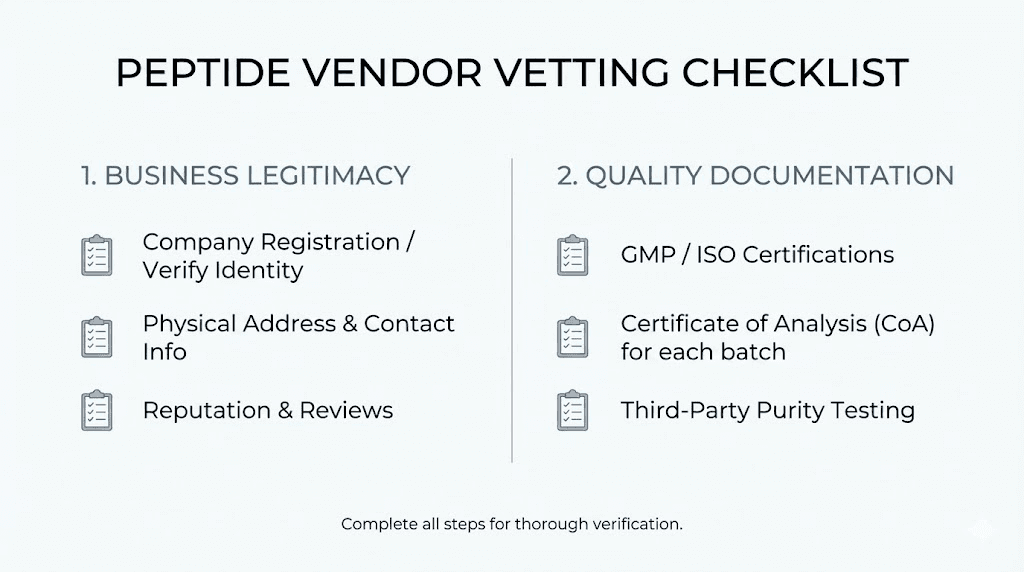
- In practical COA testimonial, the term usually describes purity screening, identification testing, and paperwork evaluation.
- HPLC actions splitting up and relative peak location; mass spectrometry steps mass-to-charge behavior that can be utilized to confirm molecular identity.
— 30 —